


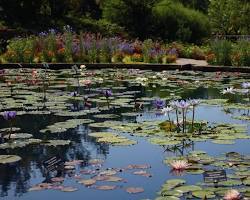
A garden pond can transform an ordinary outdoor space into a peaceful and attractive retreat. One of the best ways to make a pond look natural is by adding carefully selected British Pond Plants. These plants are suited to the British climate and can provide color, texture, shelter, and valuable habitats for wildlife. From elegant water lilies to delicate marginal plants, there are many options available for ponds of different sizes.
Why Choose British Pond Plants?
The British climate is generally suitable for a wide variety of aquatic plants. Choosing plants that can cope with local weather conditions makes pond maintenance easier. British Pond Plants can also support local wildlife, including frogs, newts, insects, birds, and other small creatures.
Plants play an important role in maintaining a healthy pond ecosystem. They absorb nutrients from the water, provide oxygen through photosynthesis, and offer hiding places for aquatic animals. Some plants also provide shade, which can help reduce excessive algae growth during warm weather.
Popular Plants for British Ponds
Water lilies are among the most popular choices. Their large floating leaves and attractive flowers create a classic pond appearance. They prefer still water and usually grow best when planted at the correct depth.
Iris is another excellent option. Yellow flag iris produces attractive flowers and grows well around the edges of ponds. However, it can become vigorous, so keeping it under control is important.
Marsh marigold is a particularly useful marginal plant. Its bright yellow flowers appear in spring and can bring a cheerful appearance to the pond. It grows naturally in wet conditions and works well around shallow pond edges.
Other options include water mint, flowering rush, water forget-me-not, hornwort, and various native grasses. When selecting plants, consider whether they are floating, submerged, or marginal species.
Planting Different Areas of the Pond
A successful pond usually contains several planting zones. Deep-water plants can be placed farther from the edge, while marginal plants belong in shallow areas. Floating plants remain on the surface, and submerged plants grow below the water.
Creating different planting levels makes the pond look more natural. It also gives wildlife different environments to use. For example, submerged vegetation can provide shelter for aquatic organisms, while dense marginal growth can offer hiding places for frogs and insects.
Caring for Pond Plants
Although many British Pond Plants are relatively easy to care for, occasional maintenance is necessary. Remove dead leaves and flowers before they decay in the water. Excessive plant growth should also be reduced so that the pond does not become overcrowded.
It is important not to remove too much vegetation at once. Plants are part of the pond ecosystem, and sudden changes can affect wildlife. Instead, perform maintenance gradually throughout the growing season.
Avoid introducing invasive aquatic species. Some plants can spread rapidly and become difficult to control. Native or well-behaved garden varieties are generally safer choices for a domestic pond.
Supporting Wildlife
A planted pond can become a valuable wildlife feature. Frogs may use plants for shelter, insects can rest on leaves and stems, and birds may visit the water to drink or bathe. Dense vegetation can also provide important breeding and hiding areas.
If wildlife is a priority, avoid using unnecessary chemicals around the pond. A natural approach encourages a healthier ecosystem and allows beneficial organisms to thrive.
Final Thoughts
Choosing the right British Pond Plants can make a major difference to the appearance and health of a garden pond. By combining floating, submerged, and marginal varieties, you can create an attractive environment that benefits both people and wildlife. With sensible planting and regular maintenance, a pond can remain beautiful throughout the seasons and become one of the most rewarding features of a British garden.
