


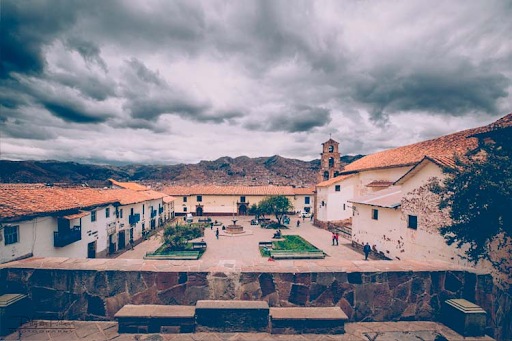
Nestled high in the Andes at an altitude of 3,399 meters (11,152 feet), Cusco is one of the most vibrant and historically rich cities in South America. Once the capital of the Inca Empire, Cusco today serves as the gateway to Machu Picchu, the Sacred Valley, and countless archaeological sites. Whether you are a history enthusiast, adventure seeker, or cultural traveler, understanding Information about Cusco is essential for planning a memorable visit.
This comprehensive guide covers the city’s history, culture, climate, attractions, transportation, local cuisine, festivals, and travel tips for visitors.
Historical Overview of Cusco
Cusco, or Qosqo in Quechua, meaning “navel of the world,” was the political and spiritual center of the Inca Empire. The city’s foundation dates back to the 12th century, though some historians trace human settlement in the area even further back. Under the Incas, Cusco was meticulously planned, with stone structures, temples, and roads radiating outward like spokes on a wheel.
When the Spanish conquistadors arrived in the 16th century, they built colonial structures atop Inca foundations, blending Spanish Baroque architecture with Inca stonework. Today, the combination of colonial buildings and Inca walls gives Cusco its unique charm and historical depth.
Geography and Climate
Cusco is located in the southeastern Peruvian Andes, surrounded by mountains, valleys, and rivers. Its high elevation means that travelers may experience altitude-related symptoms, such as shortness of breath, headaches, or fatigue. Acclimatization is highly recommended for a smooth visit.
Climate
Cusco has a subtropical highland climate with two distinct seasons:
- Dry Season (May–September): Clear skies, mild temperatures during the day, cold nights, and ideal trekking conditions.
- Wet Season (November–March): Frequent rain, fog, and lush green landscapes. While some treks may be more challenging, the scenery is vibrant and beautiful.
Average daytime temperatures range from 18°C (64°F) to 22°C (72°F), while nights can drop below 5°C (41°F), especially in the dry season.
Cultural Significance
Cusco remains the heart of Andean culture. The city is predominantly inhabited by people of Quechua descent, who maintain traditional customs, language, and clothing. The blend of Inca heritage and Spanish colonial influence is evident in Cusco’s architecture, festivals, and daily life.
Languages
- Spanish: The official language used in commerce and administration
- Quechua: Widely spoken among local communities, especially in rural areas
Religion
Cusco’s culture is a fusion of Catholicism and Inca spiritual traditions, evident in its festivals, rituals, and sacred sites.
Top Attractions in Cusco
Cusco offers a rich tapestry of historical, cultural, and natural attractions. Some of the must-visit sites include:
1. Plaza de Armas
The main square of Cusco, Plaza de Armas, is the city’s vibrant center, surrounded by colonial churches, restaurants, and shops. It is a perfect starting point to explore Cusco’s streets and experience its lively atmosphere.
2. Cusco Cathedral
Located on the Plaza de Armas, the Cusco Cathedral houses a significant collection of colonial art and religious artifacts. Its construction incorporates Inca walls, reflecting the fusion of cultures.
3. Qorikancha (Temple of the Sun)
Once the most important temple in the Inca Empire, Qorikancha was dedicated to the Sun God, Inti. Today, the convent of Santo Domingo sits atop its foundation, showcasing both Inca and colonial architecture.
4. Sacsayhuamán
A massive Inca fortress overlooking Cusco, Sacsayhuamán is famous for its enormous stone walls meticulously fitted without mortar. It is also a prime spot for panoramic views of the city.
5. San Pedro Market
A bustling local market where visitors can experience traditional Peruvian foods, handicrafts, and fresh produce. It’s an excellent place to immerse yourself in Cusco’s daily life.
6. Nearby Archaeological Sites
- Tambomachay: Known as the Inca baths, a ceremonial site with flowing water channels
- Puca Pucara: A red fortress and military outpost
- Q’enqo: A ceremonial center with intricate stone carvings
These sites offer insight into the sophistication of Inca engineering and spirituality.
Cusco as a Gateway to Adventure
Cusco is the primary hub for exploring Machu Picchu and the Sacred Valley. Popular excursions include:
- 1-Day Machu Picchu Tours: Ideal for travelers short on time
- Inca Trail: A multi-day trek leading to Machu Picchu through ancient ruins and mountain landscapes
- Salkantay and Lares Treks: Alternative trekking routes for adventurers seeking solitude and natural beauty
- Sacred Valley Tours: Visits to Pisac, Ollantaytambo, and local markets
Cusco also offers opportunities for mountain biking, zip-lining, and horseback riding, making it an ideal destination for adventure tourism.
Local Cuisine and Dining
Cusco’s gastronomy is a reflection of its Andean roots and colonial influences. Traditional dishes include:
- Cuy Chactado: Fried guinea pig, a traditional delicacy
- Lomo Saltado: Stir-fried beef with vegetables and fries, influenced by Chinese-Peruvian cuisine
- Aji de Gallina: Spicy chicken stew with a creamy sauce
- Quinoa-based dishes: Highlighting native Andean grains
Local markets and restaurants offer authentic experiences, while upscale dining options provide modern Peruvian cuisine with fusion flavors.
Festivals and Cultural Events
Cusco is known for its vibrant festivals, many of which combine indigenous traditions and Catholic rituals:
- Inti Raymi (Festival of the Sun): Celebrated in June, reenacting Inca ceremonies at Sacsayhuamán
- Corpus Christi: A religious festival with processions and traditional dances
- Qoyllur Rit’i: Pilgrimage combining Catholic and Andean beliefs in the snowy mountains
- Cusco Carnival: Colorful parades, music, and dancing
Participating in festivals offers visitors a deeper understanding of Cusco’s cultural richness.
Transportation in and Around Cusco
1. Getting to Cusco
- By Air: Alejandro Velasco Astete International Airport connects Cusco with Lima and other major Peruvian cities
- By Bus: Long-distance buses connect Cusco with Arequipa, Puno, and the Sacred Valley
2. Local Transportation
- Taxis and rideshare apps for city travel
- Walking is ideal for exploring the historic center
- Private tours or buses for excursions to nearby sites
3. Train Services
- Trains from Ollantaytambo or Poroy to Aguas Calientes for Machu Picchu
- Different classes: economy, tourist, and luxury services
Travel Tips for Visiting Cusco
- Acclimatize: Spend 1–2 days in Cusco to prevent altitude sickness
- Stay Hydrated: Drink plenty of water and avoid excessive alcohol
- Dress in Layers: Temperatures vary significantly between day and night
- Book Tours in Advance: Especially for Machu Picchu and trekking experiences
- Respect Local Customs: Always ask before taking photos of locals and follow site regulations
Conclusion
Cusco is a city where history, culture, and adventure converge. From its Inca heritage and colonial architecture to its lively markets, delicious cuisine, and festivals, Cusco offers an unforgettable experience for travelers. As the gateway to Machu Picchu, the Sacred Valley, and the surrounding Andean landscapes, it provides both cultural immersion and access to world-class adventure.
Understanding information about Cusco—its history, geography, attractions, and practical travel tips—allows visitors to plan their trip effectively and make the most of their stay. Whether exploring ancient ruins, hiking through high-altitude trails, sampling traditional dishes, or participating in vibrant festivals, a visit to Cusco promises memories that will last a lifetime. With proper preparation, Cusco becomes more than a destination—it is a journey into the heart of Andean culture and history.
