


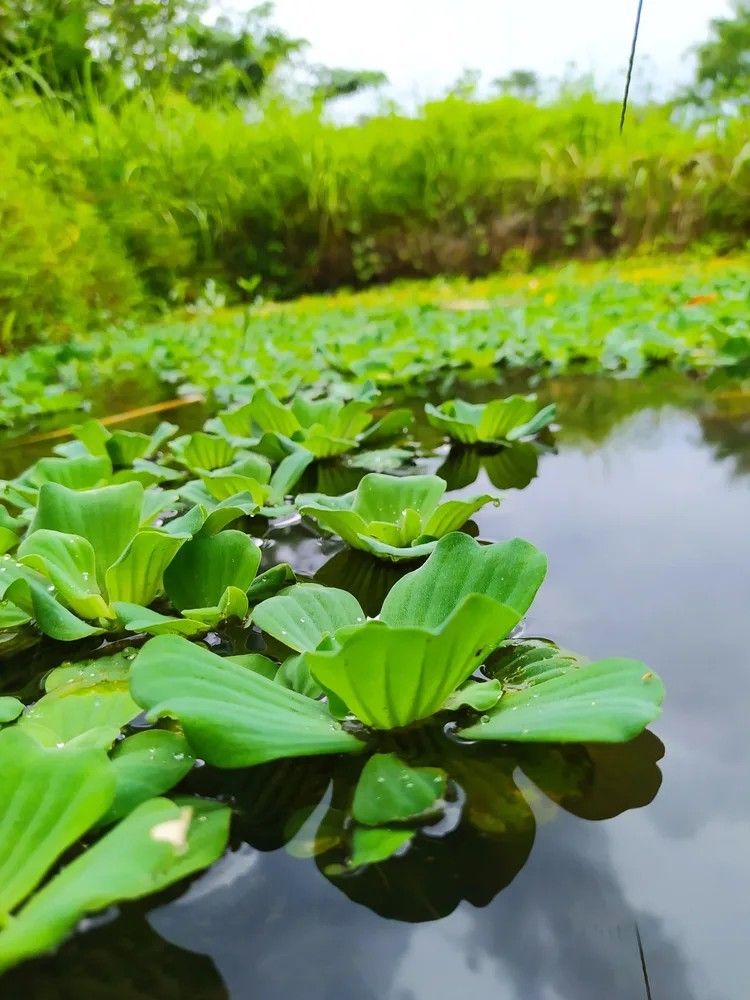
Water lilies are among the most admired aquatic flowers, known for their elegant beauty, peaceful appearance, and deep connection with nature. Growing gracefully on the surface of ponds and lakes, these flowers have inspired artists, poets, spiritual leaders, and cultures for centuries. Beyond their visual appeal, The Symbolism and Cultural Significance of Water Lilies Around the World reveals how different societies have viewed these flowers as powerful symbols of purity, renewal, spirituality, and harmony.
The Spiritual Meaning of Water Lilies in Ancient Cultures
Throughout history, water lilies have held an important place in religious and spiritual traditions. Their ability to rise from muddy waters and bloom beautifully has often been associated with transformation, enlightenment, and the journey toward inner peace.
In ancient Egypt, the blue water lily was considered a sacred flower connected to the sun, creation, and rebirth. Egyptians often included water lilies in artwork, carvings, and ceremonial objects. The flower’s daily opening with the sunrise and closing at night made it a symbol of life cycles and renewal.
In Hindu and Buddhist traditions, water lilies and related aquatic flowers are linked with spiritual awakening and purity. The image of a flower rising above still waters represents overcoming challenges and achieving wisdom. This connection has made water lilies meaningful symbols in meditation practices and religious art.
Water Lilies in Asian Culture and Traditions
Asian cultures have long appreciated water lilies for their peaceful appearance and symbolic meanings. In many regions, the flower represents balance, beauty, and emotional calmness.
In China, water lilies are admired for their association with purity and elegance. They frequently appear in traditional paintings and poetry, where they represent a person’s ability to maintain dignity and grace despite difficult circumstances.
Japanese gardens also feature aquatic flowers as part of landscapes designed to encourage reflection and harmony. The presence of water lilies in these gardens highlights the relationship between humans and nature, emphasizing tranquility and simplicity.
The Role of Water Lilies in Western Art and Literature
Water lilies became a major source of inspiration in Western art, especially during the Impressionist movement. The famous paintings of Claude Monet captured the beauty of water lily ponds and transformed ordinary natural scenes into expressions of light, color, and emotion.
Artists and writers have often used water lilies as symbols of peace, imagination, and the connection between the physical and spiritual worlds. Their gentle appearance has made them a timeless subject in paintings, poetry, and photography.
Symbolism of Water Lilies in Modern Times
Today, water lilies continue to represent themes that connect people across different cultures. They are often associated with personal growth, resilience, and the ability to find beauty in challenging environments. Their natural growth pattern serves as a reminder that strength and elegance can emerge from difficult conditions.
The continued appreciation of The Symbolism and Cultural Significance of Water Lilies Around the World shows how a single flower can carry different meanings while sharing universal messages of hope, renewal, and harmony.
Environmental Importance of Water Lilies
Apart from their cultural and spiritual meanings, water lilies play an important role in aquatic ecosystems. Their broad leaves provide shade for aquatic creatures, help maintain water temperatures, and create habitats for various forms of life.
Protecting wetlands and freshwater environments ensures that these beautiful flowers continue to thrive. As symbols of nature’s balance, water lilies remind us of the importance of preserving the ecosystems that support them.
Conclusion
Water lilies are more than beautiful flowers floating on calm waters. They represent deep cultural beliefs, artistic inspiration, and spiritual ideas that have developed across generations. From ancient religious traditions to modern environmental awareness, The Symbolism and Cultural Significance of Water Lilies Around the World continues to demonstrate the powerful connection between nature and human imagination.
Whether viewed as a symbol of purity, transformation, or peace, water lilies remain a universal reminder of beauty, resilience, and the enduring relationship between people and the natural world.
