


Introduction
Nature has a unique way of creating wonders that capture the imagination, and few examples are as enchanting as the delicate water lily. Floating gracefully on calm ponds and lakes, these flowers bring color, elegance, and harmony to aquatic environments. With their beautiful petals and symbolic meanings, water lilies have inspired artists, poets, and nature lovers for centuries.
The Natural Beauty of Water Lilies
Water Lilies: Nature’s Floating Masterpieces of Beauty are admired for their ability to transform ordinary water surfaces into breathtaking landscapes. Their vibrant flowers, available in shades of white, pink, yellow, and purple, rise above broad green leaves that gently float on the water. This combination creates a peaceful scene that reflects the balance and creativity found in nature.
These aquatic plants are not only visually appealing but also play an important role in maintaining healthy ecosystems. Their leaves provide shelter for small aquatic creatures, while their roots help support the underwater environment. By offering shade and protection, water lilies contribute to the survival of many forms of aquatic life.
The Symbolism and Cultural Importance of Water Lilies
Throughout history, water lilies have held deep cultural and spiritual meanings. In many traditions, they represent purity, renewal, peace, and enlightenment because they grow in muddy waters yet produce such beautiful blossoms. Ancient civilizations often used water lilies in artwork, decorations, and religious ceremonies.
Water Lilies: Nature’s Floating Masterpieces of Beauty continue to inspire people around the world because they represent resilience and transformation. Their ability to rise above challenging conditions and bloom beautifully serves as a reminder of strength and hope.
Caring for Water Lilies in Gardens
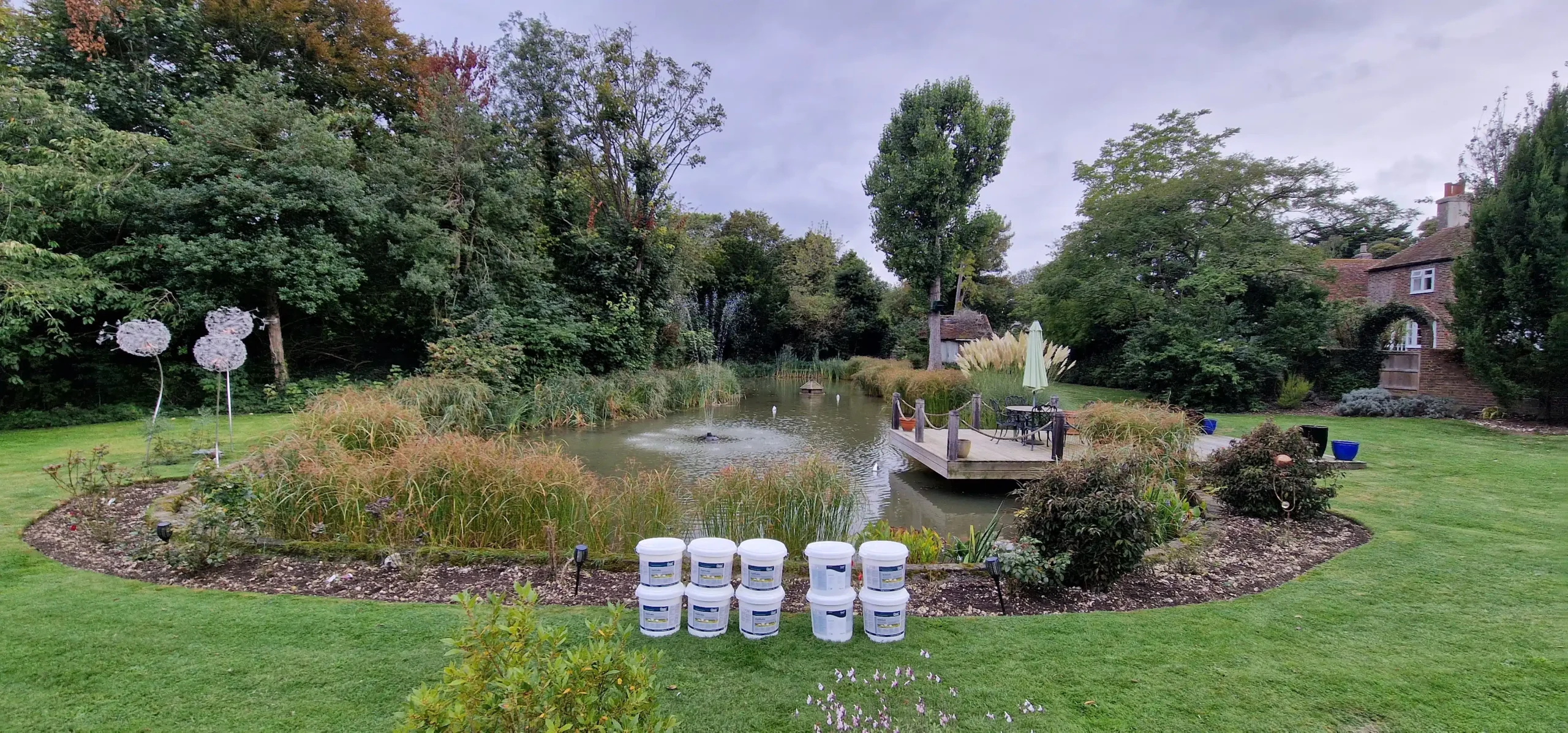
Many gardeners choose to grow water lilies in ponds because they add natural charm and improve the appearance of outdoor spaces. These plants require sunlight, clean water, and suitable growing conditions to thrive. With proper care, water lilies can bloom throughout warm seasons and create a relaxing atmosphere.
Garden ponds featuring water lilies also attract wildlife such as insects, frogs, and birds, making them a valuable addition to eco-friendly landscapes. Their presence brings a closer connection between people and the natural world.
Conclusion
Water lilies remain one of nature’s most captivating creations, combining beauty, ecological value, and cultural significance. Water Lilies: Nature’s Floating Masterpieces of Beauty showcase how even a simple flower can have a powerful impact on the environment and human imagination. Whether found in wild habitats or peaceful garden ponds, these floating flowers continue to remind us of nature’s endless creativity and elegance.
